Common problems with garden access in Northolt for gardeners
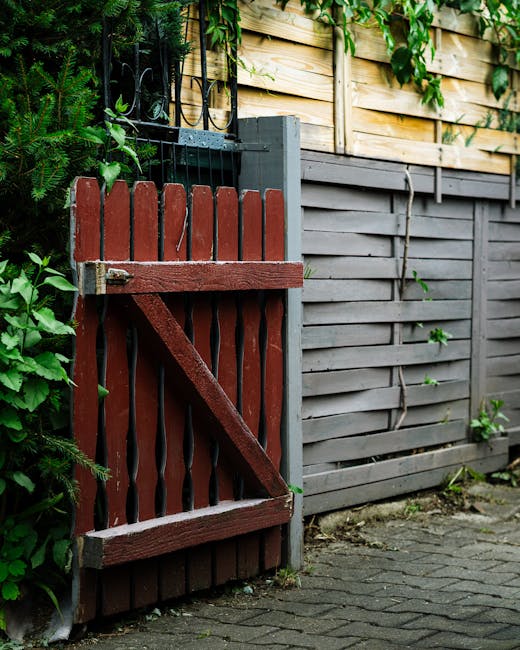
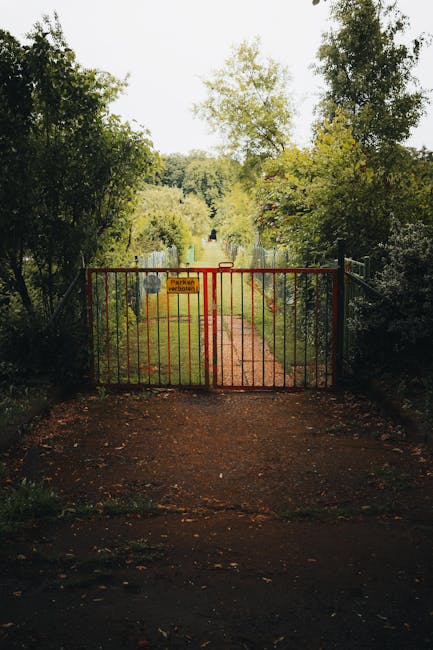
If you have ever tried to get a mower, hedge trimmer, rake, compost bags or even a wheelbarrow into a tight Northolt garden, you already know the issue: the work is rarely just about the plants. The real challenge is often the access. Narrow side passages, awkward gates, rear-entry only plots, shared driveways, parked cars and heavy overgrowth can turn a simple job into a slightly ridiculous puzzle. Truth be told, common problems with garden access in Northolt for gardeners are often the first thing that determines how smoothly a visit goes.
This guide breaks down the most common access problems, why they matter, how gardeners usually work around them, and what homeowners can do to make things easier. It is practical, local in feel, and focused on real-life conditions rather than tidy theory. If you are planning regular upkeep, a one-off tidy-up, or a bigger project such as clearance or landscaping, a bit of access planning can save time, money and stress.
One thing gardeners notice quickly in Northolt is that no two properties behave the same. Some have generous side access and flat lawns. Others involve a long path, a locked rear gate, or a fence line that makes every tool transfer feel like a relay race. It happens. And if you want the job done efficiently, you need to understand the bottlenecks before they become delays.
Table of Contents
- Why access problems matter
- How garden access issues affect the work
- Key benefits of planning access properly
- Who this is for
- Step-by-step guidance
- Expert tips for better results
- Common mistakes to avoid
- Tools, resources and recommendations
- Law, compliance and best practice
- Options and comparison table
- Real-world example
- Practical checklist
- Conclusion
- Frequently asked questions
Why Common problems with garden access in Northolt for gardeners Matters
Garden access is not a minor detail. It affects how quickly work can begin, how safely tools can be moved, how much waste can be removed, and whether delicate features like paving, decking or planting beds stay intact. A garden that looks straightforward from the back door may be much harder to service once you factor in steps, soft ground, side paths, narrow passageways and obstacles like bins or bikes.
In Northolt, access problems matter even more because many gardens sit behind houses with limited side space or shared routes. That means gardeners often have to carry materials through the house, use temporary protection on floors, or make repeated short trips rather than one efficient run. It sounds simple, but it can change the whole rhythm of a job.
There is also a knock-on effect on cost and scheduling. If access is poor, the work may take longer, require more labour, or need more careful planning around equipment size. That does not mean the job cannot be done. It just means the access needs to be discussed early, not at the front gate when everyone is already on site.
Practical takeaway: better access planning usually means less disruption, less risk of damage, and a cleaner finish. That is true whether the task is routine trimming, a seasonal clear-up, or a larger redesign.
How Common problems with garden access in Northolt for gardeners Works
Garden access problems usually show up in one of three ways: physical restriction, operational disruption, or safety risk. Physical restriction is the obvious one. The gate is too narrow, the path is too tight, or the route to the rear garden includes steps or a steep slope. Operational disruption is more subtle. Even if access exists, it may slow the team down because materials must be moved one item at a time, or because there is no safe place to stage tools and waste.
Safety risk is the bit people sometimes underestimate. A crowded passage, poor lighting, slippery paving, or an unstable fence panel can create hazards for the gardener and for anyone living in the property. If a mower has to be dragged around a tight turn, or a bag of hedge cuttings has to be carried over uneven ground, the chance of slips, knocks or strains goes up. Not dramatically every time, but enough to matter.
Most access issues fall into a few common Northolt scenarios:
- Narrow side access: too tight for larger machines, wheelbarrows or waste bags.
- Rear-only access: tools and green waste must be carried through the house or via a long route.
- Blocked entry points: bins, storage items, bikes, toys or furniture in the way.
- Uneven or wet ground: slippery lawns, broken paving or soft soil after rain.
- Overgrown boundaries: hedges, brambles or climbers narrowing the route even further.
- Parking pressure: vans or skips struggling to stop close enough to the property.
In practice, a gardener will usually assess access at the start, decide what can be brought through safely, and work out whether the job is best handled in smaller sections. Sometimes that means bringing in lighter tools. Sometimes it means protecting pathways and moving slowly. And sometimes, to be fair, it means saying the access needs clearing before the main task can happen.
Key Benefits and Practical Advantages
Sorting access early gives you more than convenience. It makes the whole job more efficient and often improves the final result too. Here are the main advantages:
- Less wasted time: gardeners spend more time working and less time carrying equipment around obstacles.
- Lower risk of accidental damage: narrow routes and tight turns are where walls, doors, glass and paving get scuffed.
- Better plant protection: easier access means less trampling across beds, lawns or borders.
- Improved safety: clear routes reduce trips, strains and awkward lifting.
- More accurate pricing: if access is understood from the outset, quotes are usually more realistic.
- Smoother completion of larger jobs: clearance, hedge work and landscaping become easier to organise.
There is another benefit people do not always think about: morale. A well-planned access route makes the day feel calmer. That sounds a bit soft, maybe, but anyone who has wrestled a hedge trimmer through a narrow doorway on a damp morning will know exactly what I mean.
If you are exploring broader garden work as well, it can help to look at the full services overview and compare how access issues might affect different tasks. The needs of a quick mow are not the same as a full redesign, and access planning should reflect that.
Who This Is For and When It Makes Sense
This topic is relevant to quite a few people in Northolt. If you are a homeowner, landlord, tenant, property manager or even a busy gardener trying to plan a visit, access can shape the entire job.
It makes sense to think about access early if any of these apply:
- The garden is behind the property with no direct rear entrance.
- The side passage is narrow or shared with neighbours.
- There are mature shrubs, hedges or climbers creating a tunnel effect.
- Waste from the garden needs to be taken out in bags or bins.
- You are arranging clearance after a long period of neglect.
- Any part of the job involves decking, landscaping or heavy materials.
It also makes sense if you are trying to decide whether a service is practical at all. For example, a regular lawn service may still be manageable even with poor access, but a larger clearance or tree work could need more preparation. That is where honest assessment helps. A good gardener will not promise a neat miracle if the route in is almost blocked by a wheelie bin, a broken latch and a bush that has decided to become a wall.
If you want to understand how access affects ongoing upkeep, a visit to garden maintenance can be helpful because routine visits often reveal the small access issues before they become big ones.
Step-by-Step Guidance
Here is a straightforward way to handle garden access problems before a job starts.
- Walk the route from street to garden. Do not just look at the front gate. Check the full path with the same mindset as a gardener carrying tools.
- Measure the tightest points. Gate width, side passage width, steps and turning space matter more than you might expect.
- Note obstacles. Bins, outdoor furniture, bikes, sheds, hose reels, compost heaps and parked vehicles can all slow access.
- Check surface conditions. Broken paving, mud, moss or standing water may create slip risks.
- Decide what needs clearing first. Sometimes you can tidy access in 10 minutes. Sometimes the access problem is the job before the job.
- Choose the right equipment. Smaller tools, lighter bags and compact machinery can make all the difference.
- Plan waste removal early. If green waste has to pass through a narrow route, think about bag size and number of trips.
- Communicate special instructions. Locked gates, shared paths, alarm systems or pets should be mentioned before arrival.
That sounds obvious on paper. In real life, people often forget the small things. A padlock nobody has mentioned. A dog that hates strangers. A side gate that sticks in wet weather. Tiny details, big inconvenience.
If the access problem is tied to a larger one-off tidy-up, you may also want to look at garden clearance, because clearance work often starts with opening up the route in and out of the space.
Expert Tips for Better Results
From a practical gardening point of view, access work gets easier when you think like a site manager for five minutes, not just a plant lover. Here are a few tips that genuinely help:
- Keep the route clear before the team arrives. Even shifting a couple of bins can save repeated interruptions.
- Use smaller containers for waste. Overfilled bags are awkward in tight spaces and more likely to split.
- Protect floors and thresholds. Old towels, dust sheets or purpose-made runners can stop muddy boot marks from becoming a second job.
- Trim the access path itself. Sometimes a hedge or shrub is the problem, not the garden beyond it.
- Check access after rain. A path that feels fine on a dry day can become slippery by mid-morning.
- Leave room to turn. A gardener carrying a mower or compost bag needs elbow space, not just a doorway.
Small tip, big difference: if a gate sticks, oiling the hinge before the visit can be strangely helpful. It is not glamorous advice, but it saves irritation. And less irritation is always a win.
For properties where hedges are narrowing the route, hedge trimming can be one of the smartest first steps. Clearing the line of travel often improves the actual garden work that follows.
Common Mistakes to Avoid
Some access problems are unavoidable. Others are created by avoidable planning mistakes. These are the ones that show up most often:
- Assuming access is "fine" because the garden can be seen from the house. Visibility is not the same as workable entry.
- Forgetting that equipment needs turning space. A mower may fit through the gate but not around the corner.
- Leaving heavy items in the route. Bags of soil, stacked pots and furniture can block the simplest path.
- Ignoring wet or uneven surfaces. A route can be technically accessible and still be unsafe.
- Not mentioning pets or alarms. These things matter more than people think.
- Trying to move everything at once. This usually causes more mess and more risk.
One of the biggest mistakes is waiting until the gardener arrives to mention the problem. That is a bit like asking someone to lift a sofa and then telling them, once they are halfway bent over, that the hallway is narrower than expected. Better to be upfront. Always.
Tools, Resources and Recommendations
You do not need specialist kit for every access issue, but the right basics help a lot. Depending on the job, gardeners may use:
- compact hand tools for tight spaces
- lightweight or foldable equipment
- garden waste bags or manageable tubs instead of oversized loads
- path covers or floor protection for indoor routes
- gloves with a good grip for carrying awkward items
- head torches or portable lighting for darker side passages
For homeowners, the most useful resource is usually a clear discussion before the visit. That can be as simple as sending a couple of photos of the gate, side path and rear access, plus a note about anything fixed or awkward. It does not have to be elaborate.
If the job is part of a wider outdoor improvement, it may also help to review landscape gardening or landscaping options. Access can be built into the design, which is much better than trying to squeeze a future solution into a difficult layout later on.
And if the garden uses decking as a link between spaces, then decking services may be worth considering, especially where steps, level changes or muddy crossings make movement awkward.
Law, Compliance, Standards, or Best Practice
Garden access is not usually about complex legal theory, but there are still important standards and best practices to keep in mind. In the UK, anyone working on a property should take reasonable care around safety, access routes, trip hazards and manual handling. That means avoiding unnecessary risk, using sensible lifting methods, and not forcing equipment through spaces that are clearly too tight.
For gardeners and property owners alike, the practical standard is straightforward: if a route is unsafe, it should be improved, protected or avoided. If waste must be moved through shared areas, both cleanliness and courtesy matter. If something could damage a wall, door, floor or fence, it should be shielded or removed first where practical.
It is also sensible to check business policies where relevant. For example, a company's health and safety policy and insurance and safety information can give you a better feel for how carefully access and risk are managed. Not every gardener phrases things the same way, but the core expectation is the same: work safely, communicate clearly, and avoid preventable damage.
If you are comparing providers, practical transparency matters. Clear pricing, sensible expectations and a willingness to discuss access obstacles upfront are all good signs. You can also review pricing and quotes if you want to understand how a service frames more complex work.
Options, Methods, or Comparison Table
Not every access issue needs the same solution. Sometimes the answer is a quick clear-up. Sometimes it is a design change. Sometimes it is simply a better plan for moving materials. Here is a simple comparison.
| Access approach | Best for | Strengths | Limitations |
|---|---|---|---|
| Clear the route only | Minor clutter, bins, small obstacles | Fast, low cost, minimal disruption | Does not solve structural problems |
| Use smaller tools and loads | Narrow gates, tight paths, rear-only access | Flexible and practical | Can take longer on larger jobs |
| Protect surfaces and indoor routes | Through-house access or delicate paving | Reduces damage and mess | Needs more setup and care |
| Trim or reshape borders | Overgrown paths and narrow side access | Improves future access too | May require follow-up maintenance |
| Redesign access as part of landscaping | Persistent layout problems | Long-term improvement | Higher effort and planning needed |
In many homes, the best option is a mix of the first two methods: clear the route, then use smaller, smarter equipment. It is not glamorous. It just works.
Case Study or Real-World Example
Here is a realistic example based on a common Northolt scenario. A homeowner wants a front-to-rear tidy-up after several months without maintenance. The back garden itself is not huge, but the only access is through a narrow side path with a bin store, a garden bench, and a hedge that has grown over the edge of the walkway.
At first glance, the job sounds straightforward. But once the route is measured, it becomes clear that a full-size mower would be awkward, and moving cuttings out in large bags would be clumsy. The practical solution is to clear the bench, move the bins, trim the hedge line back enough to open the passage, and use lighter tools for the first visit. After that, the ongoing maintenance becomes much easier.
What changed? Not the garden, really. The access. That was the hidden problem. Once the route was restored, the work became neater, faster and less stressful for everyone involved.
A similar thing can happen with tree work. If branches are crowding a side passage or shed roof, access can feel impossible until the overhang is handled. In those cases, tree lopping and removal may be part of the access solution, not just a separate task.
Practical Checklist
Use this checklist before arranging garden work in Northolt:
- Have you walked the full route from the street to the work area?
- Are all gates unlocked and working properly?
- Is there enough width for tools, bags and turning?
- Have bins, bikes, toys and furniture been moved?
- Are paths dry enough and reasonably safe to use?
- Is there any overgrowth narrowing the access point?
- Have pets, alarms or shared entrances been mentioned?
- Do you know whether materials need to go through the house?
- Has the gardener been told about any low walls, steps or fragile surfaces?
- Have you checked whether the job may need extra time because of access?
If you can answer most of those calmly, you are already ahead of the game.
Conclusion
Garden access problems are easy to overlook until the work begins, and then they can shape everything from timing to safety to the final finish. In Northolt, where properties often combine compact side routes, rear-only entry and a fair amount of everyday clutter, that early access check is more than a nice extra. It is part of doing the job properly.
The good news is that most access issues are manageable. Clear the route, communicate the limits, choose the right approach and stay realistic about what the space can handle. That is usually enough to turn a difficult visit into a smooth one. And if the access itself needs improving, that can often be the first step toward a much better garden overall.
Get a free quote today and see how much you can save.
For more background on the people behind the service, you can also read about us or get in touch through the contact page when you are ready. A well-planned start saves a lot of fuss later, and honestly, that is half the battle.
Frequently Asked Questions
What are the most common garden access problems in Northolt?
The most common issues are narrow side passages, blocked gates, rear-only access, uneven paths, parked cars and overgrown hedges. These problems usually affect how tools, waste and materials are moved in and out of the garden.
Why does garden access matter so much for gardeners?
Because access affects speed, safety and the final finish. If a gardener has to fight the route in and out, the job usually takes longer and can create more risk of damage or injury.
Can gardeners still work if the garden is only accessible through the house?
Yes, often they can, but it usually requires more care, extra protection for floors and a clear understanding of the route. It may also influence the time needed for the job.
Should I tell the gardener about access problems before they arrive?
Absolutely. A few photos and a short explanation can prevent delays and help the gardener bring the right equipment. It is a simple step, but a very useful one.
What should I clear before a garden visit?
Move bins, bikes, toys, furniture, hoses and anything else blocking gates or paths. If there is overgrowth along the route, trim or clear it where you can.
Do access issues make garden work more expensive?
They can. Poor access may mean more time, more labour or smaller loads, which can affect the quote. Not always, but often enough that it is worth discussing early.
How do gardeners deal with narrow paths?
They may use smaller tools, split tasks into stages, reduce load sizes and protect nearby surfaces. Sometimes the hedge or border also needs trimming to widen the route.
Is garden access a problem for lawn mowing?
It can be, especially if a mower cannot pass through the gate or around tight corners. That said, many lawns are still workable if the equipment and route are planned properly.
What if the access route is slippery or uneven?
That should be mentioned straight away. Slips and trips are a real concern, so the route may need temporary clearing, drying, surface protection or a different approach.
Can access problems be fixed as part of garden maintenance?
Yes. In many cases, routine maintenance can improve access by trimming overgrowth, removing clutter and keeping routes open. It is one of those small habits that pays off quickly.
How do I know whether I need garden clearance or just maintenance?
If the route is blocked by waste, bulky items or heavy overgrowth, clearance is usually the better starting point. If the issue is mainly regular upkeep and minor obstruction, maintenance may be enough.
What is the best first step if I am unsure about access?
Walk the route yourself and take a few clear photos. Then explain the tight spots, gates and any obstacles. That usually gives a gardener enough information to advise properly.