Gardening Services in Northolt

Gardening Services Northolt provides practical garden care in Northolt for households and property managers who need tidy, manageable outdoor spaces without fuss. The service covers regular maintenance and one-off work across common garden tasks, with an emphasis on clear workmanship and sensible planning. We can help with lawn care, hedge trimming, planting support, clearance and broader upkeep, so the work stays coherent rather than piecemeal.
Many gardens need more than a quick sweep or a single cut. Growth changes through the season, edges soften, beds fill with unwanted growth, and hard-to-reach corners can be overlooked. Our approach is built around steady, orderly maintenance that keeps the site looking cared for while also making future visits easier. Where a space needs heavier attention, we can combine tasks so the garden is brought back under control in a more efficient way.
For a clearer picture of the options, you can browse the wider services overview and then decide which parts of the garden need attention first. Pricing and quotes explains how estimates are normally prepared, while this page sets out the main kinds of work available and the choices that affect the final scope. If you are ready to talk through your garden, contact us for a quotation.
Regular garden maintenance

Routine garden maintenance is often the most effective way to keep an outdoor area presentable throughout the year. It usually combines several smaller jobs rather than focusing on one feature alone. That may include clearing light debris, keeping lawns tidy, neatening edges, reducing overgrowth and checking that beds and borders are not becoming unruly. The purpose is to keep the garden at a good working standard, not simply to make it look briefly tidy and then let it drift again.
Where maintenance is arranged on a regular basis, the work can be planned around the conditions on site. Some gardens are straightforward and only need a light touch, while others require more time because paths, beds and boundary planting all need attention. We can tailor the scope to the garden's condition, and it is often useful to separate what must be done now from what can wait until a later visit. This keeps the work practical and avoids unnecessary effort.
Typical maintenance tasks may include the following:
- cutting and tidying lawn areas
- keeping hedge lines and shrub edges neat
- removing basic garden waste and loose material
- reducing untidy growth in borders and corners
- helping the whole space remain orderly between larger visits
Lawn care and mowing

Lawn work is a central part of many garden visits because turf sets the tone for the rest of the space. A well-cut lawn makes paths, borders and planting look more deliberate, while uneven or neglected grass can make the whole garden feel unfinished. Our mowing service is suited to gardens that need regular attention as well as lawns that have become longer and need careful reduction. The aim is to leave the grass at a sensible, even level with tidy margins where the lawn meets other areas.
Different lawns call for different handling. Some are open and simple to mow, while others include awkward corners, narrow runs, slopes or mixed edges that need a more careful approach. A good cut also depends on the condition of the grass itself: wet, long or patchy areas can require slower progress and a more measured finish. If the lawn has become tired or uneven, we can discuss the most sensible way to restore order without rushing the job.
Useful points to consider when arranging lawn care include whether the grass is regularly maintained, whether access is straightforward, and whether surrounding beds or borders also need tidying. These details help set the right scope from the start and avoid confusion later. If the lawn is only one part of the work, it can be combined with other tasks so the visit covers the garden in a more complete way.
Hedge trimming and shaping
Hedge trimming can make a major difference to how a garden is perceived, especially where boundary planting, screening hedges or formal shapes define the space. A hedge that is kept in check provides cleaner lines, better light and a more deliberate finish. Our hedge work covers routine trimming, reduction of untidy growth and general shaping so that hedges sit comfortably within the rest of the garden rather than overpowering it.
Some hedges simply need an even cut to maintain their outline. Others require more careful work because the growth is dense, the hedge has not been touched for a while, or one side has become more dominant than the other. In those cases, the trimming approach needs to balance appearance with the plant's condition. We can work to preserve a neat line without overcutting, especially where the hedge contributes to privacy or structure in the garden.
When hedge work is booked alongside lawn and border maintenance, the overall result is usually more cohesive. Hedge trimming becomes especially useful when the garden contains multiple growth layers that need attention at the same time. For gardens that require a broader refresh beyond the hedge line, a joined-up approach with related care can produce a tidier and more consistent finish across the whole plot.
Garden clearance for overgrown spaces
Garden clearance is suited to spaces that have become cluttered, overgrown or difficult to manage in their current state. This might involve removing unwanted green waste, tackling thick growth, clearing neglected corners or making the space easier to use again. A clearance job is often more than simple tidying because it can involve the first stage of bringing an unruly area back to a workable condition. The aim is to restore order in a controlled way rather than forcing everything into a rushed clean-up.
Clearance work is often most effective when the priorities are identified in advance. Some customers want the whole garden opened up, while others want one section cleared before later maintenance begins. It may be necessary to separate soft vegetation from heavier debris, and the best method can vary depending on what has built up over time. Clarity about the scope is useful here because clearance can range from light tidying through to a more substantial reset of the space.
We can also discuss how clearance links to follow-up maintenance, especially where a neglected garden will need regular care to stay manageable. Garden clearance is therefore not just about removing what is in the way; it is about creating a sensible starting point for the next stage of garden care. If a site has become difficult to approach or maintain, clearance can be the most practical first step.
Landscape gardening and garden improvements

Landscape gardening covers improvements that change how a garden is laid out, used or enjoyed. It may involve refreshing planting, refining borders, improving the flow between lawn and hard surfaces, or reshaping parts of the garden so the space feels more intentional. This kind of work suits customers who want more than maintenance alone and are looking at longer-term changes that make the garden more coherent. The emphasis is on practical, well-considered improvements rather than decorative ideas that do not suit the site.
Not every garden needs a full redesign. Sometimes the most useful approach is to improve one area at a time, such as tidying a tired border, reworking a section that feels cramped, or simplifying a layout that has become awkward to maintain. We can discuss which parts of the garden would benefit most from attention and which changes are likely to make daily use easier. A measured approach often produces a better result than trying to alter everything at once.
For broader planning, landscape gardening can provide a useful direction if you want to move beyond routine upkeep. Where a project includes more structured changes, it may also be worth reviewing the related landscaping page to see how the work is typically framed. The right scope depends on the current condition of the garden and how much change you want to see.
How we scope the work

Before any garden work is confirmed, it helps to define the areas that matter most. A clear outline of the lawn, hedges, borders, access points and any problem sections makes the quote easier to match to the work needed. Photographs are often helpful because they show scale, surface condition and the sort of growth or clutter involved. If there are parts of the garden that should be left alone, it is sensible to mention them at the same time so the visit plan stays accurate.
It also helps to think about timing and priorities. Some jobs are better tackled in one visit, while others are best split into stages. If the garden includes mixed tasks, we can usually group them in a sensible order so the visit remains efficient. The details that matter most are not always the same from one site to another, so a short written summary can be just as useful as images when you request a quotation. That keeps expectations aligned before the work begins.
If you already know what needs doing, the simplest next step is to request a quotation. If you would rather compare services and decide what to include, pricing and quotes is a useful place to start, and the services overview can help you match the right tasks to the condition of the garden. A clear brief usually leads to a more useful estimate.
Border work, planting and tidy finishes
Garden maintenance is not limited to larger visible features. Borders, edging and planting areas all influence the finished appearance of a garden, particularly when they sit beside lawn or patio areas. Tidying these sections can involve removing unwanted growth, cutting back plants that are spreading too far, and shaping the boundary between planted and open areas so the garden looks defined. These details matter because small untidy edges often make a space feel less cared for than it really is.
Planting support can be as simple as helping a bed look balanced again after it has become crowded or uneven. Some gardens benefit from selective reduction so stronger plants have room to breathe, while others need basic clearing before any more attractive finish is possible. The right approach depends on what is already established in the garden. Good border work keeps the design readable and avoids leaving the space looking stripped or overworked.
Where a garden has become visually busy, the best result is often achieved by combining border work with garden maintenance so the whole space is treated as one connected area. That makes the finish more even and reduces the risk of one part looking neat while another remains overlooked. It is especially useful when the aim is to restore order rather than to alter the garden's basic character.
About Northolt
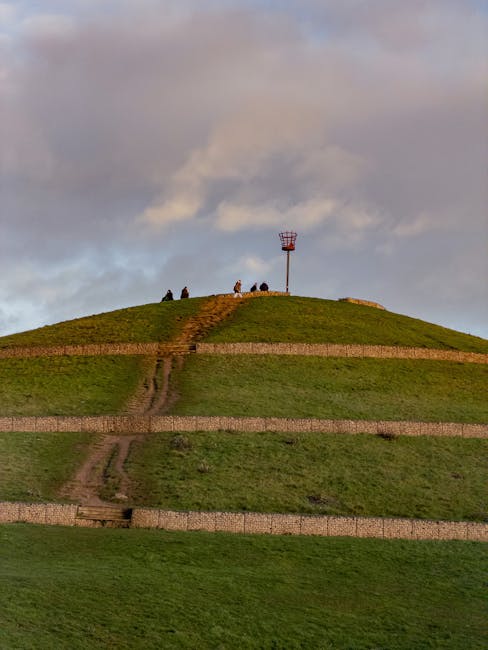
Northolt is a district in the London Borough of Ealing, in west London, with a character shaped by its long history, transport links and mixture of housing. The area lies near Greenford, South Harrow and Ruislip, and it includes both older residential streets and later development. Its name is of Old English origin and appears in historical records long before the present suburban landscape took shape. Over time the area changed from a rural settlement into a more built-up part of London, especially during the twentieth century when housing expanded and local transport improved. The railway station on the Central line and the nearby road network have helped connect Northolt with surrounding districts, while also giving the place a practical commuter identity. The area includes open spaces as well, with Northala Fields standing out as a contemporary public park created on a former landfill site, known for its landscaped mounds and water features. Northolt is also associated with RAF Northolt, the military airfield that has played a notable role in local and national history. Churches, schools and shopping parades add to the everyday fabric of the district, alongside a mix of post-war estates and older buildings that reflect different phases of growth. The result is a place with a layered identity rather than a single architectural style, combining suburban living, local history and pockets of green space within the wider London setting.
Landscaping options for more structured changes
Some gardens only need maintenance, while others benefit from changes to layout or surface treatment. Landscaping work can include rethinking where paths sit, how different parts of the garden connect, or how planting and open areas are balanced. It may also involve refreshing tired sections so the garden feels more usable and easier to maintain in future. The right level of change depends on the current condition of the space and how much of the existing structure should stay in place.
When a garden feels awkward, a few thoughtful changes can make it easier to care for and more pleasant to use. A narrow run can be opened up, a tired border can be simplified, or a cluttered area can be given a clearer shape. We focus on practical improvements that suit the space rather than forcing a design that does not fit. That approach is often more sustainable because it works with the garden's natural layout and the level of upkeep the owner wants to keep.
If you are comparing options, landscaping and landscape gardening both point towards more considered changes than simple maintenance alone. You can also revisit the full range of services if you want to combine improvement work with routine care. For a specific estimate, the most useful step is to ask for a quotation based on the areas you want changed.
Getting the right quotation for your garden
A useful quotation depends on knowing what the garden currently looks like and what outcome you want. A lawn cut, a hedge trim, a clearance job and a fuller seasonal tidy can all require different amounts of time and equipment. If the work involves more than one task, it is often better to describe the full list at once so the quotation covers the whole visit properly. That helps keep the plan simple and avoids fragmenting the work into separate small jobs without purpose.
For many customers, the easiest way to request an estimate is to give a short outline of the garden size, the tasks needed and any access concerns. You do not need to overstate the problem; a plain description is usually enough to start. If there are awkward areas, overgrowth, boundary planting or built-in features that need care, mention those too. The clearer the brief, the easier it is to prepare a quotation that matches the work rather than guessing at it.
Ready to get started? Use the details above to decide what your garden needs, then contact us for a quotation. If you want to compare scope before sending a request, the pricing and quotes page is available as a starting point. For a broader view of the work we handle, the services overview brings the main options together in one place.