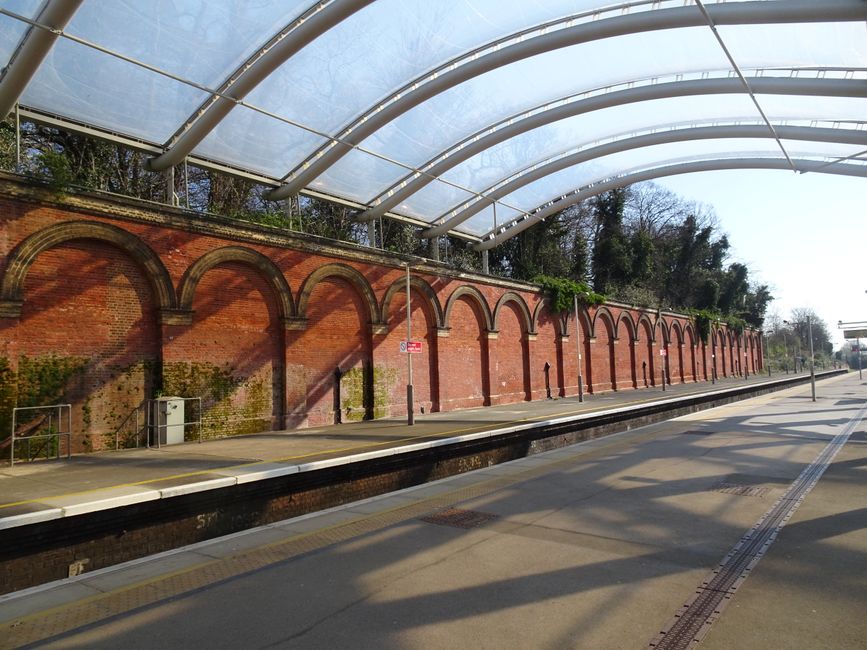
Top gardeners serving Northolt station commuters

If you commute through Northolt station, you already know the routine: early trains, late returns, and not much spare time for the patch of green at home. That is exactly why Top gardeners serving Northolt station commuters matters. The right gardener can keep your front garden tidy, rescue a tired lawn, and stop the back garden turning into another weekend job you keep putting off. Simple enough on paper. In real life, it saves time, stress, and a fair bit of last-minute scrambling.
This guide explains what to look for, how local garden services usually work, which jobs suit busy commuters best, and how to choose a reliable team without overpaying or ending up with a half-finished result. Whether you need regular maintenance or a proper reset after months of neglect, you will find practical advice here.
- Why it matters
- How it works
- Key benefits
- Who this is for
- Step-by-step guidance
- Expert tips
- Common mistakes
- Tools, resources and recommendations
- Law, compliance, standards, or best practice
- Options and comparison table
- Case study
- Practical checklist
- Conclusion
- Frequently asked questions
Why Top gardeners serving Northolt station commuters Matters
Busy commuters tend to need garden help for one very practical reason: time disappears. A garden does not wait politely for your diary to clear. Grass still grows, hedges still lean into the path, and weeds are annoyingly committed. If you leave it for a few weeks, a neat space can start to feel unruly fast.
That is where a local gardener who understands commuter schedules becomes genuinely useful. They are not just cutting grass. They are helping you keep your home presentable, usable, and under control without forcing you into a Saturday of back-breaking work. For many households near Northolt station, the appeal is consistency. You want someone who can work while you are at the office, on the tube, or juggling family life. Not someone who needs constant chasing.
There is also a local angle that matters. Gardens around station routes and residential streets often face a mix of shade, footfall, weather exposure, and tight access. A good gardener notices these details. They will know which plants struggle near a fence line, how to deal with compacted soil, and when a quick tidy-up is enough versus when a more thorough seasonal visit makes sense.
Expert summary: The best commuter-friendly garden service is not the flashiest one. It is the one that shows up on time, works efficiently, communicates clearly, and leaves the space better than they found it every single visit.
How Top gardeners serving Northolt station commuters Works
In practice, this kind of service usually starts with a short discussion about what you need. Some customers want a one-off tidy before guests arrive. Others want a monthly or fortnightly maintenance plan. A few need a full reset after a busy season when the garden has quietly run away with itself. Happens more often than people admit.
The process is usually straightforward:
- Initial assessment: The gardener reviews the space, either from photos, a quick call, or an in-person visit if needed.
- Scope of work: You agree what is included, such as lawn mowing, hedge trimming, clearance, pruning, or waste removal.
- Scheduling: Visits are planned around your availability. For commuters, that often means weekday access while you are out.
- Work carried out: The team completes the agreed tasks efficiently and keeps the space safe and tidy.
- Review and maintenance plan: You decide whether you want a repeat schedule or occasional visits.
Good gardening services are also flexible in the small details. Maybe you need the side gate left secured a certain way. Maybe you want clippings bagged and left at the back. Maybe you just want to come home to a garden that looks calm rather than chaotic. These little things matter more than people think.
For broader service planning, it can help to look through a provider's services overview so you can match the right job to the right visit rather than paying for work you do not need.
Key Benefits and Practical Advantages
Top gardeners for Northolt station commuters offer more than convenience. They create a bit of breathing room in an otherwise packed week.
- Time saved: Your evenings and weekends stay free for better things than hedge trimming.
- Consistent presentation: A tidy front garden improves curb appeal and makes the home feel looked after.
- Lower stress: No more looking out of the window and thinking, "I really should sort that out."
- Better plant health: Regular maintenance often prevents problems from building up.
- Safer access: Clear paths, controlled growth, and reduced trip hazards are all practical wins.
- Seasonal readiness: Gardens are easier to manage when work is done at the right moment, not after everything has become overgrown.
There is a less obvious benefit too: momentum. Once a garden is brought back to a manageable standard, it is much easier to keep it there. You do not need heroic effort. Just a rhythm. And that rhythm is often exactly what commuter households need.
If you are comparing service types, regular garden maintenance is usually the most efficient choice for people who want the space to stay tidy with minimal interruption.
Who This Is For and When It Makes Sense
This kind of gardening support is ideal for people who value time, reliability, and a tidy outdoor space but do not have the hours to manage it themselves. That includes professionals commuting from Northolt station, but it is not limited to them.
You may benefit if you are:
- a commuter who leaves early and gets home late
- a landlord wanting the property to stay presentable between tenancies
- a family juggling school runs, work, and everything else that never quite fits on one calendar
- an older homeowner who prefers not to do heavy outdoor work
- someone preparing to sell, rent, or host visitors
- anyone whose garden has slipped from "fine" to "slightly embarrassing"
It also makes sense if you only need help at certain times of year. For example, spring growth can surprise people, and autumn leaf fall can quietly turn a decent-looking garden into a slippery mess. Truth be told, many homeowners only realise they need support once the job gets physically awkward or time-sensitive.
For more ambitious projects, a local team that also handles landscape gardening can be useful if your garden needs structure rather than just a tidy-up.
Step-by-Step Guidance
If you want the smoothest possible experience, do not start by asking, "How much is a gardener?" Start by asking, "What do I actually need done?" That one question saves a lot of back-and-forth.
1. Walk through the garden with fresh eyes
Look at what genuinely needs attention. Is it the lawn? The hedge? Borders? A few overgrown corners? Small jobs can stack up until the whole garden feels neglected, but not everything needs a major intervention.
2. Separate urgent work from nice-to-have work
Urgent might mean cutting back a hedge blocking a path or clearing something unsafe. Nice-to-have could be reshaping borders, refreshing beds, or tidying decorative areas. This helps prioritise spending.
3. Choose the right type of service
Some gardeners are best for routine upkeep. Others are more suited to clearance, landscaping, or specialist pruning. If the garden has been left a while, a garden clearance visit may be the sensible first step before maintenance can begin.
4. Ask about access and timing
Commuter-friendly gardeners should be comfortable with working while you are away, as long as access, parking, and instructions are sorted in advance. A clear note about gates, pets, and any fragile areas avoids awkward surprises.
5. Confirm what is included
Do not assume waste removal, green bagging, edge finishing, or follow-up advice are part of the quoted price. Ask. It is much easier than arguing later over what "tidy up" actually meant.
6. Set a realistic maintenance rhythm
For some gardens, monthly visits are enough. For others, especially lawns and fast-growing hedges, fortnightly or seasonal attention works better. The right schedule depends on growth rate, layout, and how neat you want the place to stay.
7. Review after the first visit
A good gardener will leave the place better and give you a clearer sense of what the garden needs next. After one visit, you should know whether the plan is working.
Expert Tips for Better Results
Here are the little things that make a big difference, especially for commuters who cannot micromanage every detail.
- Be clear about your standard: "Tidy" means different things to different people. If you like crisp edges and a very neat finish, say so.
- Use photos when you are busy: A couple of clear images often speed up quoting and reduce confusion.
- Book before peak growth periods: Spring and early summer can fill quickly. Last-minute requests are possible, but not always ideal.
- Keep repeat tasks simple: Regular mowing, edging, and hedge care are easier to manage than irregular big clean-ups.
- Think in seasons: Lawns, hedges, borders, and trees all behave differently through the year.
- Ask about disposal early: Green waste can be bulky. It is better to know the arrangement before the work starts.
A small practical note: if you have to choose between "perfect" and "done consistently," choose consistency. A garden that gets regular attention usually looks better than one that gets a heroic makeover once every few months. Not glamorous, but true.
For routine lawn care, a specialist lawn mowing service is often the easiest way to keep the garden looking sharp without needing to do it yourself.
Common Mistakes to Avoid
People do not usually get garden services wrong because they are careless. More often, they are simply busy. Still, a few predictable mistakes can make the process more expensive or less satisfying than it should be.
- Choosing only by price: The cheapest quote can become expensive if the result is rushed or incomplete.
- Not defining the job: "Sort the garden out" is too vague. Be specific.
- Ignoring access issues: Locked gates, parking problems, or unclear instructions can delay work.
- Waiting until the garden is overrun: Once growth becomes dense, the job is harder and often takes longer.
- Mixing one-off and ongoing work without a plan: A reset is different from maintenance. They should not be treated like the same thing.
- Forgetting tree and hedge safety: Large growth should be handled with care, especially where branches affect fences, paths, or neighbouring properties.
One common slip-up is assuming any gardener will happily tackle every kind of job in every condition. Some will; some will not. If a tree is too large, or a hedge too dense, it may need a different approach. That is why a quick chat beforehand is worth its weight in gold.
If the issue is taller growth or obstructive branches, hedge trimming and tree lopping and removal may be more appropriate than a general tidy-up.
Tools, Resources and Recommendations
You do not need to become a gardening expert yourself, but it helps to know what good service looks like. A well-equipped team should arrive ready for the job, whether that means basic cutting tools, edging equipment, or the right gear for disposal and clean-up.
From a homeowner's point of view, the most useful "resources" are not fancy apps or complicated systems. They are simple, reliable habits:
- a short list of the tasks you want done
- a few photos of problem areas
- clear access instructions
- a rough idea of how often you want visits
- notes on pets, fragile plants, or water access
If you are comparing providers, useful pages to review include pricing and quotes, insurance and safety, and the company's own about us page. Those pages help you judge whether the service feels transparent, organised, and suitable for regular work.
For a broader sense of the company's values and working standards, the health and safety policy and recycling and sustainability information can also be useful. Not every homeowner reads those pages, fair enough, but they can tell you a lot about how a business operates.
Law, Compliance, Standards, or Best Practice
For garden work around homes and shared access areas, the most important point is not legal complexity. It is sensible, safe practice. A trustworthy gardener should work carefully around people, pets, tools, pathways, and waste. They should also handle any material they remove in a responsible way.
From a homeowner's side, best practice usually means:
- making sure the garden access is safe and clear
- flagging any hazards, such as slippery paving or loose structures
- confirming who is responsible for waste removal
- checking whether the business is insured for the work being done
- agreeing the job scope before work starts
If a provider references policies such as terms and conditions, privacy policy, or payment and security, that is usually a good sign that they care about process and transparency. You do not need to overcomplicate it, but a little due diligence helps.
There is also a practical environmental side. Many gardeners now separate reusable green waste from general rubbish where possible, and that is worth asking about. It keeps the job cleaner and often aligns with good local practice.
Options, Methods, or Comparison Table
If you are weighing up how to manage your garden, these are the main approaches most Northolt station commuters consider. Each has its place. The trick is choosing the one that fits your pace of life.
| Option | Best for | Pros | Trade-offs |
|---|---|---|---|
| One-off tidy-up | Overgrown or neglected gardens | Quick reset, immediate improvement | Does not maintain the result for long without follow-up |
| Regular maintenance | Busy households wanting steady control | Predictable, efficient, low stress | Requires ongoing scheduling |
| Seasonal visits | Gardens that need occasional heavier work | Flexible and cost-conscious | Garden may drift between visits |
| Landscaping project | Gardens needing a new layout or structure | Long-term improvement, better use of space | More planning and usually a bigger commitment |
For people who commute daily, regular maintenance is usually the easiest win. One-off clearance is useful when the garden has got out of hand, but a maintenance rhythm is what keeps things manageable. If your space needs more than simple upkeep, consider whether a landscaping project or garden redesign would actually solve the root problem, rather than just trimming around it.
Case Study or Real-World Example
Here is a realistic example. A commuter household near Northolt station had a back garden that looked fine from a distance but felt stressful up close. The lawn was patchy, the hedge had crept over the path, and the borders were full of weeds that kept returning. Nothing dramatic, just enough to make the whole place feel unfinished.
They did not want a major redesign. They wanted a space they could enjoy without spending every free evening in it. So the job was broken into stages. First came a tidy-up and clearance of the worst growth. Then the hedge was brought back into shape. After that, the lawn was put onto a simple maintenance rhythm, with edge work and general upkeep planned alongside it.
The biggest change was not visual, though the garden did look much better. It was psychological. Coming home after work no longer meant facing a guilt-inducing to-do list. The space became usable again. A chair could go out on a warm evening. The bins were easier to access. The path felt clear and safe. That kind of improvement is easy to underestimate until you have it.
This is a good reminder that the best gardening solution for commuters is not always the most ambitious one. Often, it is the one that reduces friction in everyday life.
Practical Checklist
Use this before booking or reviewing a gardening service. Keep it simple.
- Have you identified the main job: maintenance, clearance, trimming, or landscaping?
- Have you checked whether access will be easy while you are at work?
- Do you know what waste will be removed and what will be left behind?
- Have you explained any specific preferences for finish and tidiness?
- Have you asked whether the gardener is insured for the type of work involved?
- Have you compared quotes on scope, not just on price?
- Do you know how often the garden will need repeat attention?
- Have you considered whether the garden needs a one-off reset before regular care?
- Have you reviewed the provider's service pages and policies?
- Are pets, gates, or fragile features clearly noted?
If you can tick most of those boxes, you are in a good place. Not perfect. Just good, and that is usually enough to get the right result.
Get a free quote today and see how much you can save.
Conclusion
For Northolt station commuters, the best gardeners are the ones who make outdoor life feel easy again. They understand limited time, they work around your schedule, and they keep the garden under control without making the process feel like another chore. That is the real value here: less stress, more consistency, and a home that feels looked after even when your weekdays are packed.
Whether you need lawn care, hedge work, clearance, or a longer-term maintenance plan, start with clarity. Know what you want, ask direct questions, and choose a team that communicates well. The right gardener will make the whole thing feel surprisingly straightforward. And honestly, that kind of calm is worth a lot.
In the end, a well-kept garden is not just about appearance. It gives you a little breathing room when life is moving fast. That matters more than people say.
Frequently Asked Questions
What do gardeners serving Northolt station commuters usually help with?
They usually handle routine upkeep such as mowing, hedge trimming, border tidying, garden clearance, and seasonal maintenance. Some also help with landscaping or bigger resets when the garden has become overgrown.
Can a gardener work while I am at work or commuting?
Yes, often they can. Many commuters prefer weekday access while they are out. Just make sure access, parking, gates, and instructions are agreed in advance so the visit runs smoothly.
Is regular garden maintenance better than one-off visits?
For most busy households, yes. Regular maintenance usually keeps the garden looking tidy with less effort and fewer big jobs later. One-off visits are useful for recovery work, but maintenance is what keeps things steady.
How do I know if I need garden clearance instead of standard maintenance?
If the space is heavily overgrown, full of debris, or difficult to move around in, clearance may be the right first step. Once the garden is back under control, maintenance can keep it there.
Should I ask for a quote before the gardener visits?
Yes. A quote helps you compare services and understand what is included. Photos can help too, especially if you are short on time and cannot arrange a long site visit.
What should be included in a good gardening quote?
A clear quote should explain the tasks, any waste removal, frequency if it is ongoing, and any extra charges or limits. If something is unclear, ask before work starts. Saves hassle later.
Do I need a specialist for hedge trimming or tree work?
For simple hedge maintenance, a general gardener may be fine. For taller, denser, or more awkward growth, it is better to choose a service that specifically handles hedge trimming or tree lopping and removal.
How often should a commuter household book garden maintenance?
It depends on the garden, but many people choose fortnightly or monthly visits. Fast-growing lawns and hedges may need more frequent attention during peak growing seasons.
What if my garden has not been touched in months?
That is common enough. A one-off clearance or heavy tidy-up can reset the space, after which regular maintenance is much easier. Do not feel awkward about it; gardeners see this all the time.
Is it worth choosing a local Northolt gardener over a general London service?
Often yes, because local gardeners usually understand the area, access patterns, and the needs of nearby homeowners better. They are also more likely to be practical about scheduling around commuter routines.
What questions should I ask before booking?
Ask what is included, how waste is handled, whether they are insured, how they work around access, and whether they recommend maintenance or a one-off reset. Those few questions tell you a lot.
Can a gardener help make my outdoor space look better without a full redesign?
Absolutely. Small improvements such as sharper edges, tidier borders, better lawn care, and controlled hedge growth can transform how a garden feels without major work. Sometimes that is all you need.