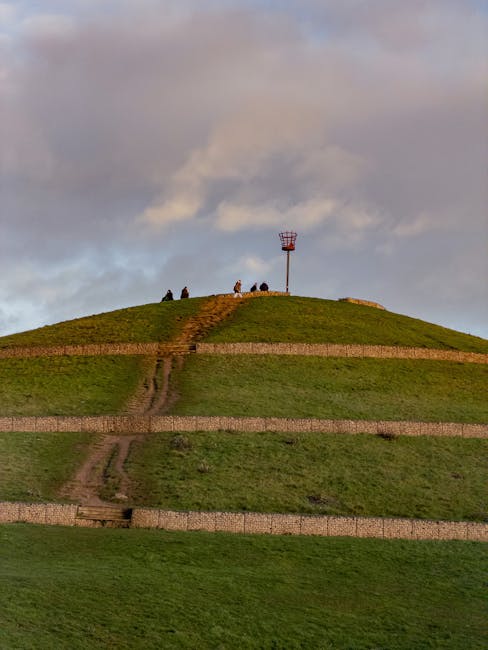
UB5 Gardeners Who Know Northala Fields Planting Styles: A Local Guide to Smarter, More Resilient Gardens
If you live in UB5 and your garden needs to feel more settled, more climate-ready, and frankly less random, then working with UB5 gardeners who know Northala Fields planting styles can make a surprising difference. Northala Fields has a very particular character: layered planting, open space, wind exposure, tough conditions in places, and a design language that feels clean rather than fussy. That mix translates well to local gardens, especially if you want something that looks good in spring, still holds together in late summer, and does not collapse the moment London weather turns a bit silly.
This guide explains what that style actually means, how it is applied in real gardens, and when it makes sense to bring in a gardener who understands the local look and the practical realities behind it. You will also find step-by-step guidance, a comparison table, a checklist, and a few honest pointers from the sort of jobs that tend to go well - and the ones that do not.
For a broader look at what a local team can help with, you can also explore the services overview and learn more about the people behind the work on the about us page.
Table of Contents
- Why UB5 gardeners who know Northala Fields planting styles Matters
- How UB5 gardeners who know Northala Fields planting styles Works
- Key Benefits and Practical Advantages
- Who This Is For and When It Makes Sense
- Step-by-Step Guidance
- Expert Tips for Better Results
- Common Mistakes to Avoid
- Tools, Resources and Recommendations
- Law, Compliance, Standards, or Best Practice
- Options, Methods, or Comparison Table
- Case Study or Real-World Example
- Practical Checklist
- Conclusion
- Frequently Asked Questions
Why UB5 gardeners who know Northala Fields planting styles Matters
Northala Fields is not a theme park for plants, and that is exactly why it matters. Its planting feel is influenced by openness, texture, movement, and a practical kind of resilience. Gardens around UB5 often face a similar combination of conditions: mixed shade, pockets of wind, compacted soil, front gardens that need tidy structure, and back gardens that have to cope with family use as well as the weather.
A gardener who understands this style is not just copying a look. They are reading the environment. They know which plants can hold shape in exposed spots, which species bring softness without becoming messy, and how to balance structure with seasonal change. That might sound niche, but in practice it saves time, money, and a fair bit of disappointment.
Truth be told, many garden problems start because the planting plan was chosen for a catalogue photo rather than a local setting. You get a bed full of thirsty, fragile plants that look great for six weeks and then sulk. A Northala Fields-inspired approach does the opposite. It leans into the site. It works with the garden, not against it.
If you are comparing providers, it helps to look at practical matters too, not only planting taste. Check how a team handles the pricing and quotes process, and whether they are clear about garden visits, materials, and follow-up care.
What makes the style distinctive?
The Northala Fields planting style tends to value:
- Structure first - hedging, repeated forms, and strong outlines.
- Texture over clutter - grasses, perennials, and mixed foliage that move gently.
- Seasonal interest - plants that look good beyond one brief flowering period.
- Resilience - plants that can cope with London conditions.
- Low-fuss maintenance - beds that stay manageable, not high-drama.
This is not about making every garden look identical. Quite the opposite. It is about borrowing the principles that make a public landscape feel calm and durable, then adapting them to the size and personality of a private garden.
How UB5 gardeners who know Northala Fields planting styles Works
In practical terms, the process starts with observation. A good gardener will look at sun, wind, drainage, soil condition, existing shrubs, and the way you use the space. Then they will shape a planting plan around those realities. That sounds simple, but there is a bit more to it than tossing in a few hardy plants and hoping for the best.
Northala Fields-style planting usually relies on layering. Think of it as a small ecosystem of form and function. The back layer might be clipped shrubs or taller grasses. The middle layer could include repeat-flowering perennials. The front layer might soften edges with lower growers or ground cover. The result feels intentional, even when the individual plants are fairly robust and unfussy.
Gardens in UB5 often benefit from this layered approach because it works in both compact and medium-sized spaces. It can make a narrow front garden feel more designed. It can also give a tired back garden a sense of rhythm. You will notice the difference most on grey days, oddly enough. A well-composed planting scheme still has shape when the flowers are not doing all the work.
There is also the maintenance rhythm. These gardens are usually easier to care for because the design supports pruning, seasonal refreshes, mulching, and selective replanting rather than constant rescue work. And that, to be fair, is what most busy households need.
The working method in plain English
- Assess the site - note light levels, wind, drainage, and soil condition.
- Define the purpose - privacy, colour, pollinators, family use, or low maintenance.
- Choose the structure - hedges, shrubs, repeated forms, or borders with clear edges.
- Select plants for conditions - not just for looks, but for survival and shape.
- Install in layers - create depth rather than a flat row of plants.
- Mulch and water properly - especially during establishment.
- Review after a season - tweak gaps, replace weak performers, and refine.
That final review is often overlooked. It should not be. A planting scheme becomes better through a little observation and adjustment. Gardens are living things, not printed brochures.
Key Benefits and Practical Advantages
There are plenty of reasons local people choose a Northala Fields-inspired planting style, but the best ones are practical. Pretty is good. Durable is better.
| Benefit | Why it matters in UB5 | What it looks like in real life |
|---|---|---|
| Better resilience | Local gardens often face wind, seasonal dry spells, and variable soil quality | Plants hold shape and recover faster after weather swings |
| Cleaner visual structure | Many UB5 gardens need to look tidy from the street and from inside the house | Clear lines, repeated planting, and sensible spacing |
| Lower maintenance pressure | Busy households need planting that does not demand constant intervention | Less deadheading panic, fewer emergency replacements |
| Year-round interest | Not every season is showy, especially in London gardens | Texture, seed heads, foliage, and shape carry the design |
| Better value over time | Right-plant-right-place reduces replacement costs | Fewer losses, fewer makeovers, more stability |
One thing people often underestimate is how much visual calm comes from repetition. If you repeat a plant or two in the right places, the whole garden can suddenly feel intentional. Not busy. Not overworked. Just calm.
There is also a lifestyle benefit. A garden that suits local conditions is easier to live with. You spend less time rescuing plants and more time using the space. Simple, really.
Who This Is For and When It Makes Sense
This approach is especially useful if your garden falls into one of these categories:
- You want a planting scheme that feels modern but not cold.
- Your current garden looks patchy, tired, or overcomplicated.
- You like the layered, naturalistic feel seen in larger landscaped spaces.
- You need a low-maintenance but still attractive solution.
- Your front garden needs curb appeal without looking overdone.
- You have a family garden and want something tough enough for daily use.
- You are improving a property and want the outside to feel more polished.
It also makes sense if you have tried a few planting styles already and none quite worked. Maybe the lavender looked lovely for a while, then got woody and awkward. Maybe the bedding plants gave a quick burst of colour, then the rest of the year felt empty. A Northala Fields-inspired scheme can feel like a reset - one based on structure and lasting form rather than short-lived impact.
On the other hand, if you want a very formal, clipped, high-maintenance garden with lots of exact geometry, this style may need adapting. It is flexible, but it does have a certain relaxed discipline about it. That is part of the charm.
Step-by-Step Guidance
Here is a sensible way to approach the project, whether you are briefing a gardener or doing some of the work yourself.
1. Walk the garden at different times of day
Morning light and late-afternoon shade can feel completely different. A corner that looks bright at 10am may be in shadow by 3pm. If you can, look at the space after rain too. You will spot drainage issues much faster when the soil is still damp and shiny.
2. Decide what the planting must achieve
Do you need privacy? Pollinator value? A front garden that reads neatly from the pavement? A soft backdrop for a seating area? Be clear here. A garden can do more than one job, but trying to do everything at once usually makes it weaker.
3. Build the structure before the detail
Start with the bones of the design: evergreen framework, key shrubs, repeated shapes, maybe one or two feature plants. Then add the perennials and fillers. This order matters. If you start with the smallest plants, the whole scheme can feel busy and directionless.
4. Choose plants that tolerate local conditions
For a Northala Fields-inspired feel, look for plants with movement, texture, and seasonal staying power. The exact list will depend on your site, but the principle is consistent: prefer reliable performers over temperamental showpieces.
5. Prepare the soil properly
Many garden failures come down to poor soil preparation. It is not glamorous work, but it saves headaches later. Improve the soil structure where needed, remove weeds thoroughly, and make sure roots have enough room to establish.
6. Plant with spacing in mind
Overcrowding is a common mistake. People imagine a full look now, and then six months later the bed becomes a tangle. Better to allow for growth and use mulch or underplanting to keep the scheme filled out.
7. Water and monitor through the first season
That first growing season is the make-or-break period. Water deeply rather than little and often. Check for plants that are sulking, leaning, or not rooting in properly. A small intervention early is much easier than a big replacement later.
Expert Tips for Better Results
These are the little things that make a planting scheme feel more considered. Not flashy. Just solid.
- Repeat plants in drifts rather than scattering lots of different varieties.
- Use foliage contrast - silver, green, bronze, and deep purple can do a lot of heavy lifting.
- Leave room for movement so grasses and tall perennials can sway a little in the wind.
- Mix evergreen and deciduous plants for a garden that stays present in winter.
- Mulch annually to hold moisture and suppress weeds.
- Trim at the right moment - a rushed cut can ruin structure that was carrying the border.
One small but useful trick: do not judge a border only at peak bloom. Look at it in November, too. If the garden still has shape then, you are onto something.
And yes, plant labels can be optimistic. Sometimes hilariously so.
Expert summary: The best Northala Fields-inspired gardens are not the most crowded or colourful ones. They are the ones that keep their shape, breathe a little, and still feel elegant after the flowers have gone.
Common Mistakes to Avoid
Even experienced gardeners fall into a few traps here. They are easy to make, because the style looks deceptively simple.
Choosing the look before the conditions
This is the big one. A plant can suit the visual style and still be wrong for the site. Windy spot? Heavy clay? Deep shade? Those matter more than the mood board.
Using too many unrelated plants
If every plant is different, the border starts to read like a sample tray. Interesting for ten seconds, then confusing. A better approach is to limit the palette and repeat with confidence.
Ignoring maintenance from the start
Some plants are perfect on day one and awkward on day 400. If you want a low-fuss garden, plan for pruning, tidying, and seasonal edits before you plant.
Planting too tightly
It looks full at first, which is tempting. But overcrowded plants compete, become leggy, and often need lifting later. A little air between plants is not wasted space - it is design space.
Forgetting winter structure
When everything dies back, what is left? Stems, evergreen mass, seed heads, bark, hard edges. If the answer is "not much", the garden may feel flat for a long stretch of the year.
Overfeeding or overwatering
Some gardeners mean well and love a watering can a bit too much. The result can be weak growth and root issues. Once plants establish, a more measured approach usually works better.
Tools, Resources and Recommendations
You do not need a van full of kit to make good planting decisions, but a few practical tools help a lot:
- Soil probe or spade for checking soil texture and compaction.
- Measuring tape to map spacing properly before buying plants.
- Notebook or phone notes for sun and shade observations.
- Secateurs and loppers for clean pruning work.
- Watering can or hose with a gentle rose for establishment watering.
- Wheelbarrow and mulch fork if you are refreshing larger beds.
If you are hiring help, look for a team that explains their process clearly. A good starting point is their services overview, then compare it with the company's approach to health and safety and insurance and safety. Those pages tell you a lot about how seriously they treat the practical side of the job.
For customers who want to understand how work is handled after the initial visit, the recycling and sustainability page is also worth a look. Clippings, green waste, and material disposal are not glamorous topics, but they matter. Gardening is full of small details like that.
Law, Compliance, Standards, or Best Practice
For ordinary domestic gardening, you usually do not need to navigate complicated compliance issues, but there are still sensible standards and duties to keep in mind. In the UK, good practice includes safe handling of tools, clear communication about access, and careful disposal of waste. If a job involves working at height, heavy lifting, power tools, or substantial tree and hedge work, it is wise to check how the contractor manages risk.
Homeowners should also think about property boundaries, neighbour relations, and any local restrictions that affect access or garden waste disposal. There may not be a dramatic legal angle in every planting job, but good planning avoids awkwardness later. You know the type - a neighbour's side return blocked, a pile of cuttings sitting too long, that sort of thing.
If you are comparing providers, look for straightforward terms and clear expectations. Pages such as terms and conditions, payment and security, and privacy policy should be easy to find and written in plain language. That usually reflects a business that values clarity, not just the sale.
You can also review the company's approach to accessibility and complaints handling if that matters to you or someone in your household. The accessibility statement and complaints procedure pages are sensible markers of transparency.
Options, Methods, or Comparison Table
If you are deciding between different planting approaches, this comparison helps.
| Approach | Best for | Strengths | Trade-offs |
|---|---|---|---|
| Northala Fields-inspired layered planting | Homeowners wanting structure, softness, and resilience | Balanced, seasonal, easier to maintain | Needs thoughtful spacing and planning |
| Formal bedding | Very neat visual impact and seasonal colour | Bright, tidy, easy to understand | Often higher maintenance and less forgiving |
| Wildlife-led informal planting | Pollinator value and relaxed texture | Ecological feel, natural movement | Can look untidy if not managed well |
| Minimal architectural planting | Modern, restrained gardens | Strong lines, clear design language | Can feel sparse if the site needs more softness |
For most UB5 homes, the Northala Fields-inspired style sits in a useful middle ground. It gives you enough structure to feel intentional, but enough looseness to avoid that overdesigned, stiff feeling. That balance is why it works so well.
Case Study or Real-World Example
Imagine a typical UB5 front garden: a small paved path, a strip of tired soil along the boundary, one evergreen shrub that has long outgrown its welcome, and a few gaps where the previous planting clearly gave up. The owner wants the place to look tidy from the pavement and still have some life to it. Nothing overfancy, just decent.
A gardener who understands Northala Fields planting styles might start by removing the cluttered pieces and keeping one or two useful structural elements. They could introduce a repeated group of grasses for movement, a couple of sturdy shrubs for year-round form, and a scattering of perennials that provide flowers without taking over. The planting would be spaced carefully so it can fill in over time. Mulch would be added to finish the bed and keep weeds down.
By the second season, the garden would probably look calmer than before, even if the flowers themselves were not extravagant. The front would read as a designed space, not a leftover space. And that matters more than people think. You feel it when you walk up the path. The whole house seems a bit more put together.
In a back garden, the same approach can soften a patio edge or frame a lawn without making the space feel crowded. A small seating area with movement around it, maybe a low hedge line, maybe some flowering grasses catching the evening light. It is quiet, but not dull. Quiet can be lovely.
Practical Checklist
Use this before you start a project or brief a gardener.
- Have you checked light, shade, and wind exposure in the garden?
- Do you know whether the soil drains quickly or holds water?
- Have you decided what the planting must do: privacy, colour, structure, or low maintenance?
- Have you agreed on the level of upkeep you are comfortable with?
- Are the chosen plants suited to the actual site, not just the look?
- Is there a clear plan for spacing and future growth?
- Will mulch or soil improvement be part of the work?
- Do you understand how the first season will be watered and monitored?
- Has waste removal or recycling been discussed?
- Do you know who to contact if you want adjustments after the first round of planting?
If most of those boxes are still open, that is fine. It just means the garden is at the planning stage. Better to think it through now than to spend next spring regretting a crowded border. Been there, seen that, not ideal.
Conclusion
UB5 gardeners who know Northala Fields planting styles bring more than planting knowledge. They bring a way of looking at space that values structure, resilience, and calm design. That matters in a local setting where gardens often need to work hard: for appearance, for privacy, for family life, and for long-term manageability.
If you choose the right plants, prepare the soil properly, and keep the scheme layered rather than cluttered, you end up with a garden that feels settled. Not perfect - real gardens never are - but balanced, useful, and easy to live with. And that is usually the sweet spot.
When you are ready to compare options, look closely at the way a company presents its work, explains its process, and handles the practical side of the job. Small things matter. They really do.
Get a free quote today and see how much you can save.
For the next step, you may want to review the team's contact page and see how they guide new enquiries. A good local gardener should make the whole process feel straightforward, not like a puzzle with missing pieces.
Frequently Asked Questions
What does Northala Fields planting style mean in a home garden?
It usually means layered, structured planting with a natural feel, repeated shapes, and plants that stay attractive through more than one season. It is less about copying the park exactly and more about using its principles in a private garden.
Why would I choose a gardener who understands this style?
Because they are more likely to choose plants and layouts that suit the local environment. That can mean better resilience, less maintenance, and a garden that looks considered rather than improvised.
Is this style suitable for small UB5 gardens?
Yes, very often. In a smaller garden, structure and repetition can make the space feel calmer and more organised. The key is not to overcrowd it.
Does this approach work for front gardens as well as back gardens?
Absolutely. Front gardens benefit from the clean outlines and year-round structure, while back gardens often gain softness and movement. Different jobs, same underlying logic.
How much maintenance does a Northala Fields-inspired garden need?
Usually less than a highly formal bedding scheme, but more than a completely unmanaged planting area. Expect seasonal pruning, occasional replanting, and routine mulching or feeding where needed.
What plants are typically used?
That depends on light, soil, and your preferred finish. In general, gardeners look for tough shrubs, grasses, and perennials that provide texture, shape, and repeat interest. The exact choices should always match the site.
Can I use this style if my soil is poor or compacted?
Yes, but the soil will likely need improving first. A good gardener will assess drainage, loosen compacted ground, and choose plants that can tolerate local conditions rather than fighting them.
How do I know if a gardener really understands local planting styles?
Ask how they approach layering, seasonal structure, and plant choice for the actual site. A confident answer should sound practical, not vague. If they only talk about "beautiful plants" and nothing else, that is a bit of a warning sign.
Is this approach expensive?
It depends on the scale of the work, the amount of soil preparation needed, and whether you are starting from scratch or reshaping existing beds. For cost clarity, it helps to review pricing and quotes early on.
How soon will I see results?
You will usually see an immediate visual improvement after planting, but the scheme becomes more settled over the first season or two. That is normal. Good gardens grow into themselves a bit.
What should I ask before booking a gardener?
Ask how they assess the site, how they select plants, what aftercare is included, and how they handle waste and safety. It is also sensible to check the company's health and safety policy and recycling and sustainability information.
What if I want a neat look but still want wildlife value?
That is very doable. The trick is to combine structure with pollinator-friendly planting and avoid creating a border that is either too rigid or too wild. A balanced scheme can support bees and still look tidy from the patio.